
Packing the right gear for your Mount Kilimanjaro adventure is essential for your health, comfort, and overall success on the mountain. Due to Kilimanjaro’s high altitude and rapidly changing weather conditions, having the correct clothing and equipment can make the difference between reaching the summit or turning back early. From warm tropical conditions at the base to freezing temperatures near the summit, careful preparation is key. This Kilimanjaro packing list will guide you on exactly what to pack for a safe and successful Kilimanjaro climb.
A proper layering system is the foundation of any successful Kilimanjaro packing list. Moisture-wicking base layers help regulate body temperature and keep sweat away from your skin during long hiking days. Insulating mid-layers such as fleece jackets or down jackets provide warmth as you gain altitude. A waterproof and windproof outer shell is critical protection against rain, snow, and strong summit winds. Trekking pants, thermal leggings, and insulated summit pants are especially important for summit night when temperatures can drop well below freezing.
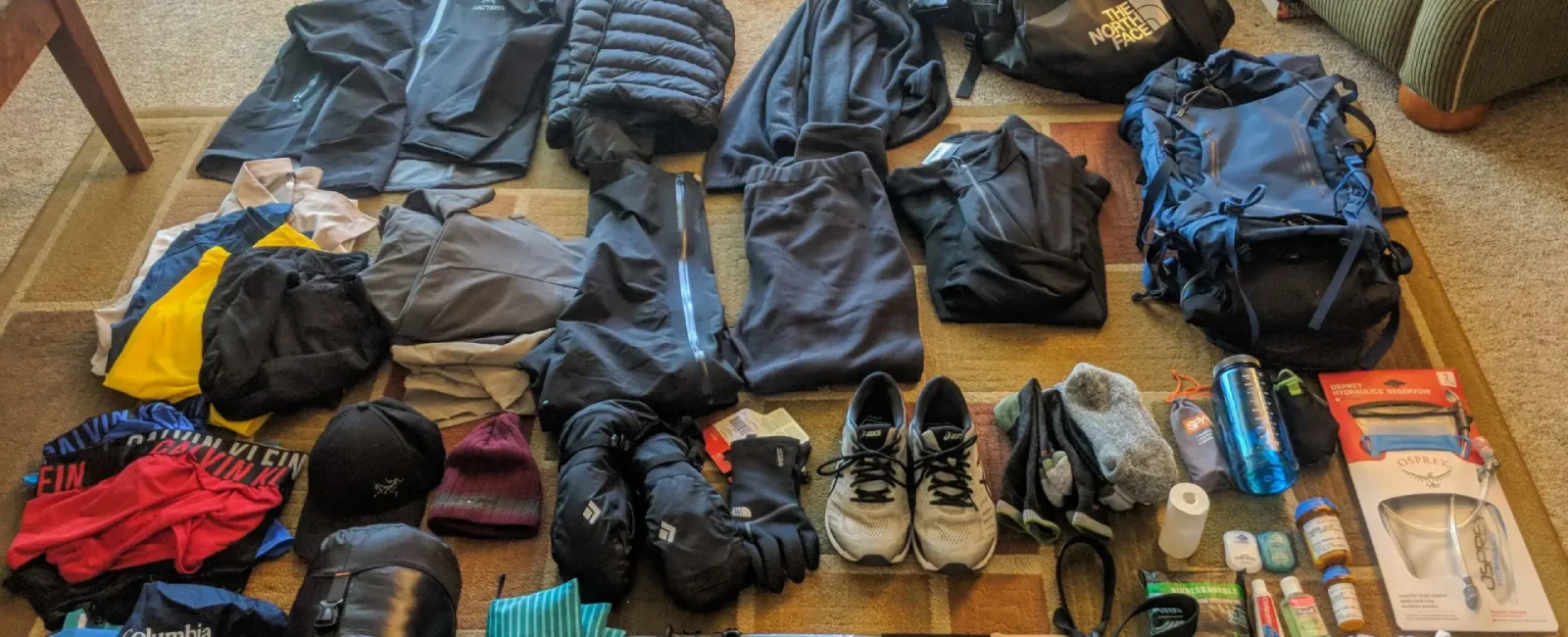
Choosing the right footwear is one of the most important decisions when packing for Kilimanjaro. Sturdy, waterproof hiking boots with good ankle support are essential for rocky trails and uneven terrain. Your boots should be well broken in before the climb to avoid blisters. Many climbers also bring lightweight trekking shoes or sandals for relaxing at camp. Warm, moisture-wicking hiking socks made from wool or synthetic materials should be packed in multiple pairs to keep your feet dry and comfortable throughout the trek.
Head and hand protection is often overlooked but extremely important on a Kilimanjaro climb. A warm beanie or insulated hat is necessary for cold mornings and summit night, while a sun hat or cap protects you from strong equatorial sunlight. Insulated gloves or mittens are essential at higher altitudes where temperatures and wind chill can be severe. A neck gaiter or buff adds extra warmth and protects against dust and cold air.
Your Kilimanjaro trekking packing list should include a durable daypack for carrying water, snacks, extra clothing layers, and personal items during daily hikes. A waterproof duffel bag is required for porters to carry your main gear safely. Trekking poles are highly recommended as they reduce strain on your knees, improve balance, and help conserve energy, particularly during steep descents.
Nights on Mount Kilimanjaro can be extremely cold, making quality sleeping gear essential. A sleeping bag rated for sub-zero temperatures is a must-have item on your Kilimanjaro gear list. While sleeping mats are often provided, a sleeping liner or inflatable pillow can add extra warmth and comfort. Proper sleep plays a major role in acclimatization and overall trekking performance.
When packing for a Kilimanjaro climb, personal care items should be lightweight but practical. High-SPF sunscreen, UV-protected sunglasses, and lip balm protect against strong sun exposure. Moisturizer helps prevent dry skin caused by cold and altitude. Wet wipes, hand sanitizer, and biodegradable toiletries are useful when water is limited. A small personal first-aid kit, including blister treatment and prescribed altitude medication, is highly recommended.
Staying hydrated is critical at high altitude, making water bottles or a hydration bladder essential items on your Kilimanjaro packing checklist. Electrolyte supplements help replace lost salts during long trekking days. While meals are provided by your trekking company, energy bars, snacks, and familiar comfort foods can provide extra motivation and quick energy when needed.
A headlamp with spare batteries is essential for early morning starts and summit night. A camera or smartphone allows you to capture unforgettable memories, while a power bank keeps your devices charged in remote conditions. Copies of important documents, travel insurance details, and cash for tipping should also be included in your packing list.
Packing properly for Mount Kilimanjaro is about preparation, not excess. With the right clothing, equipment, and mindset, you significantly increase your chances of a safe, comfortable, and successful climb. This Kilimanjaro packing list is designed to help you feel confident and fully prepared for one of the most rewarding trekking experiences in the world.